Why Your Pavers In Darwin Keep Sinking — And How To Prevent It
Anyone who has lived or worked in the tropics knows that outdoor surfaces rarely stay perfectly level for long.
Pavers that once sat flush can gradually shift, dip or become uneven, creating trip hazards and draining issues. Many homeowners notice their paved areas changing shape over time without understanding why it happens or how to prevent it. From natural ground movement to the effects of tropical weather, there are several factors that influence the stability of
paving. With the right preparation and ongoing care, it is possible to keep paved surfaces level, durable and visually appealing for years to come.
1. How Tropical Conditions Contribute to Sinking Pavers
Tropical climates create conditions that can be tough on outdoor surfaces. Extreme rainfall, high humidity and intense heat all play a part in destabilising the ground beneath pavers and accelerating wear.
Moisture moves through soil more rapidly in the tropics, softening the ground and reducing its ability to hold weight consistently. When this cycle repeats throughout the wet and dry seasons, the underlying base can shift or compact unevenly.
- Heavy downpours wash out poorly compacted base materials.
- High humidity keeps soil damp for longer periods, reducing stability.
- Intense heat expands and contracts paver surfaces, contributing to movement.
- Understanding how climate affects the ground beneath paved areas helps highlight why proper installation and preparation are needed.
2. The Role of Reactive Soil and Ground Movement
Soil composition plays a major part in the long-term performance of paving. Areas with reactive or clay-heavy soils experience significant expansion and contraction depending on moisture levels. This natural movement can gradually push pavers out of alignment or cause them to sink.
Changes in the soil may not be visible from the surface but can still affect the structural integrity of paved areas. When heavy soil movement meets inadequate preparation, the risk of sinking increases substantially.
- Clay-rich soils expand during wet seasons and contract drastically during dry spells.
- Uneven ground movement displaces the base material supporting pavers.
- Soil shrinkage leaves gaps beneath pavers, causing them to drop or tilt.
- A consistent, stable base helps counter the impact of soil changes over time.
3. Why Poor Drainage Causes Long-Term Instability
Effective drainage is one of the most important elements in maintaining stable paving. When water cannot flow away properly, it saturates the sub-base and weakens its ability to support weight. Excess moisture leads to soft spots, erosion and eventual sinking.
Poor drainage often stems from issues that go unnoticed during installation. Over time, these problems become more pronounced, especially during long periods of wet weather.
- Water pooling beneath pavers reduces compaction and support.
- Subsurface erosion washes away base materials, leaving voids.
- Blocked or undersized drainage channels keep moisture trapped.
- Creating pathways for water to escape helps prevent premature sinking and uneven surfaces.
4. Common Installation Mistakes That Lead to Sinking
Many paving problems start with how the surface is prepared before any pavers are laid. Skipping steps or cutting corners during installation often leads to issues that only become apparent months or years later.
Pavers rely on a stable foundation. Without the right base depth, compaction or bedding layer, sinking becomes almost inevitable.
- Insufficient excavation leads to shallow base layers that shift over time.
- Poor compaction allows the ground to settle unevenly.
- Incorrect bedding sand thickness causes unstable paver placement.
- Ensuring every layer is prepared correctly is essential in preventing future movement.
5. The Importance of a Properly Compacted Base Layer
A well-compacted base is the backbone of durable paving. This foundation supports the weight of the pavers and ensures the surface remains level even with regular use and environmental changes.
Compaction must be done methodically, with each layer receiving the right amount of attention. The strength of the paving system depends on how well this step is executed.
- Crushed rock or road base provides strong ground support.
- Mechanical compactors eliminate air pockets and soft spots.
- Layered compaction ensures long-term stability under load.
Careful preparation of the base layer greatly reduces the likelihood of sinking and uneven surfaces.
6. Choosing the Right Materials for Durable Paving
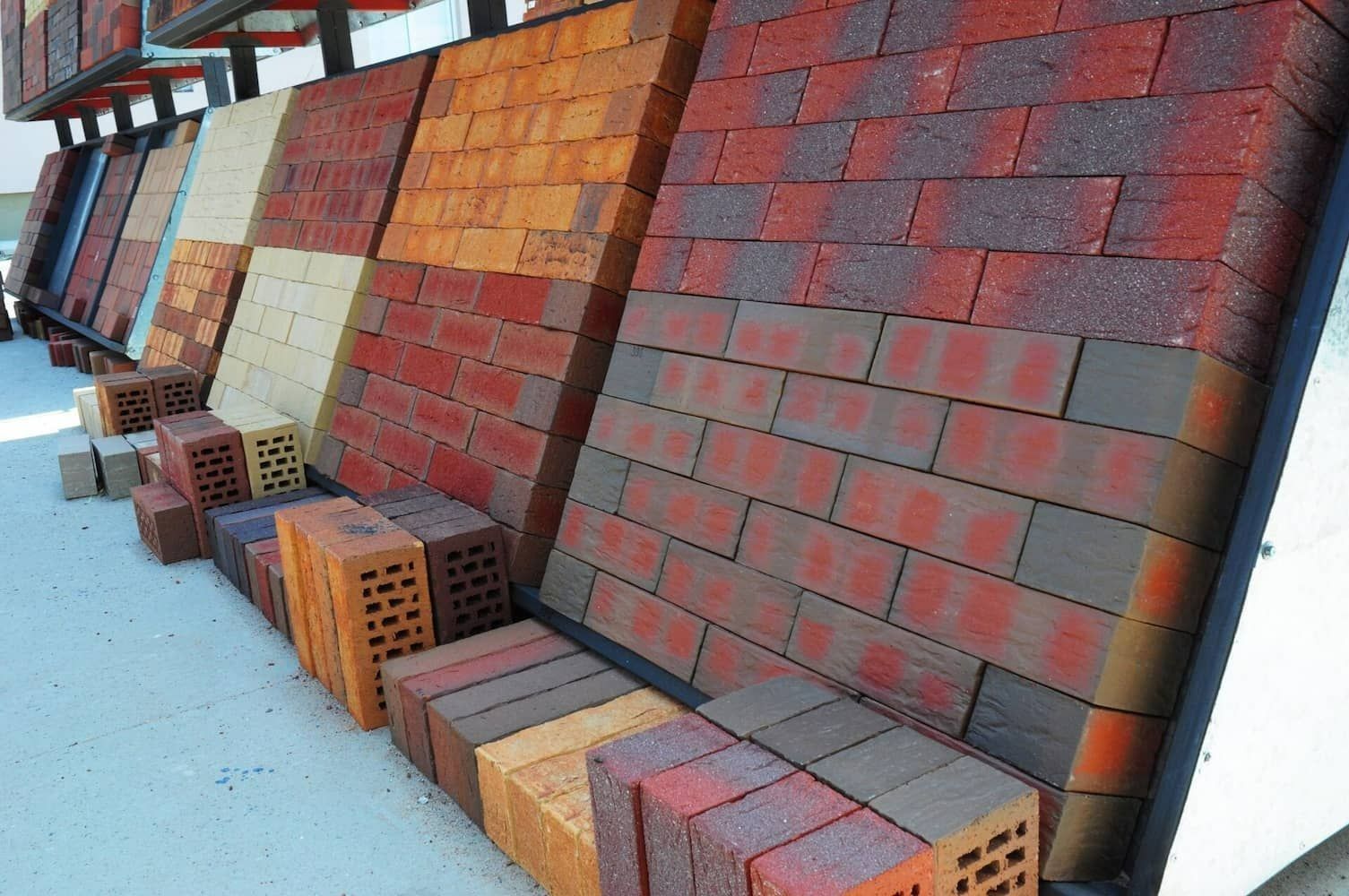
The type of materials used during installation can influence how well paving performs over time. High-quality pavers, bedding materials and base products all contribute to a reliable, long-lasting result.
Choosing materials suited to tropical climates helps ensure resistance to moisture, heat and constant weathering. Durability begins with selecting products designed to handle these conditions.
- Well-graded crushed rock provides a stable foundation.
- Quality pavers resist cracking and movement.
- Bedding sand with consistent grain size promotes a uniform finish.
- Combining the right materials with expert preparation leads to a stronger paved surface.
7. Professional Techniques That Improve Paver Longevity
Experienced paving specialists bring expertise that helps avoid many of the issues that lead to sinking. Professional techniques ensure every stage of the process is completed correctly, providing long-term reliability and visual appeal.
From soil assessment to precise installation, a skilled team pays attention to details that significantly influence how well a paved surface stands up to tropical conditions.
- Site-specific ground assessments inform proper preparation.
- Professional grading improves drainage outcomes.
- Correct edge restraints prevent pavers from spreading or shifting.
- Engaging specialists helps ensure the paved area remains stable, durable and aesthetically consistent.
8. Practical Maintenance Steps to Prevent Future Sinking
Even with a well-built paved surface, routine maintenance helps prolong its lifespan. Small tasks carried out periodically can prevent sinking, shifting and surface deterioration.
Simple measures protect the base layers, improve drainage and maintain the structural integrity of the paved area.
- Keep drainage pathways clear to avoid water buildup.
- Refill and level any displaced jointing sand.
- Address weed growth early to prevent root disruption.
- Clean gutters and downpipes directing water onto paved areas.
Regular upkeep helps ensure your paved surfaces remain safe, attractive and long-lasting.
We at
The Brick Paving Centre help homeowners and businesses create durable paved spaces that withstand tropical conditions and long-term use. Our team understands how local weather and soil movement can affect outdoor surfaces, and we provide solutions designed to prevent sinking while maintaining visual appeal. If you’re planning a paving project or need advice on restoring existing areas, visit
https://www.thebrickpavingcentre.com.au/ to get started with Darwin’s trusted paving specialists.